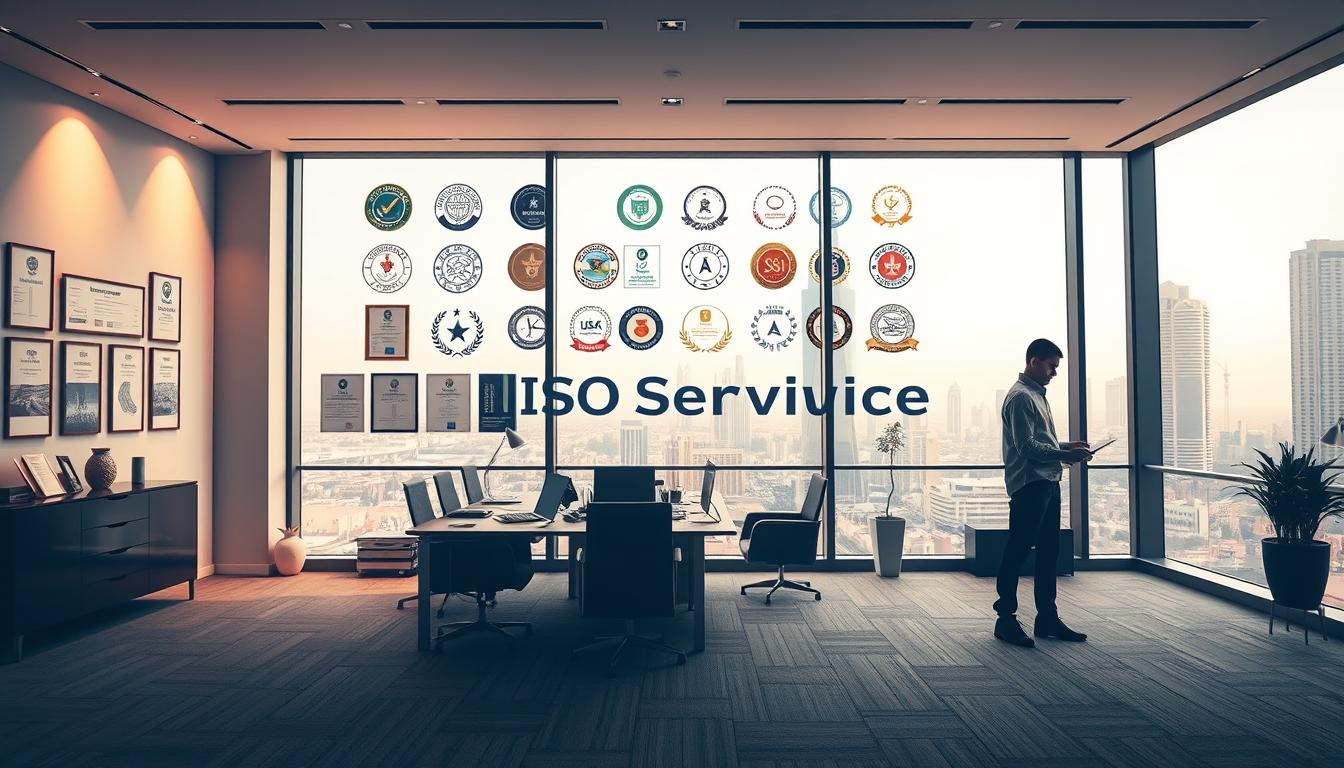
I remember when my first client in Riyadh’s capital changed everything. Their small business was struggling to keep up with big companies. But after getting iso certification services in riyadh, they became a trusted partner for big international firms.
This change isn’t rare. Over the last ten years, I’ve helped many businesses make similar leaps. Quality standards do more than just fill out forms. They build confidence and open up new markets.

Working with different businesses across the region has taught me a lot. Success comes from picking the right path and knowing the local rules. Whether you’re new or already big, reaching operational excellence needs expert help.
This guide will take you through getting quality standards recognition. From the first check to keeping up over time, I’ll share strategies that work today.
6 Month Certificate Programs That Pay Well
Key Takeaways
- Expert iso consultancy services can speed up your journey to compliance and market trust
- Knowing local rules is key for success in Saudi Arabia’s business world
- Good planning and a clear plan cut down time and costs
- Getting quality standards recognition opens up new markets and partnerships
- Keeping it up long-term needs ongoing effort and regular checks
- Small businesses can really compete with big ones with the right steps
Understanding ISO Certification and Its Importance in Saudi Arabia
Working with Saudi companies, I’ve learned ISO certification is more than a rule. It’s a tool for growth and success in the global market. In Riyadh, saudi standards certification opens new doors for businesses.
Getting certified starts with knowing its purpose. ISO standards help businesses deliver quality and meet customer needs. Companies that embrace this process see big improvements.

What is ISO Certification?
ISO certification is a global seal of approval for your business. It shows you meet quality, safety, or efficiency standards. The International Organization for Standardization sets these standards.
Many think certification is just about following rules. But certification shows you’re committed to getting better. In Riyadh, I teach companies that ISO certification helps manage their processes better.
The process involves audits by independent experts. They check if your business follows procedures and meets international standards. I’ve helped many companies prepare for this, and it makes a big difference.
Benefits for Businesses in Riyadh
ISO certification gives businesses in Riyadh big advantages. It helps them stand out in local and global markets. This surprises many business owners who see it as just a rule.
One big benefit is credibility. Certified businesses are trusted more by partners and customers. This trust leads to better business relationships and more opportunities. I’ve seen small Riyadh companies land big contracts because of ISO certification.
Operational efficiency also improves a lot. The certification process helps find and fix inefficiencies. My clients often save money within the first year.
Risk management also gets better. ISO standards help identify and prevent problems. I teach my clients that this approach protects their reputation and saves money.
Saudi Arabia’s Regulatory Landscape
The rules in Saudi Arabia have changed a lot. Vision 2030 has made businesses more competitive. I work with the Saudi Standards, Metrology and Quality Organization (SASO) to understand these changes.
Saudi regulatory compliance now favors certified businesses. Government contracts often require ISO certification. I’ve helped many companies see that certification is key to success in Saudi Arabia.
SASO is important for certification. It makes sure international standards fit local needs. Working with SASO has shown me the importance of understanding both global and local rules.
Riyadh benefits a lot from these changes. As the capital, it attracts international investment and partnerships. Companies with ISO certification are better off in these opportunities.
Recent rules have made some sectors more strict. Healthcare, construction, and manufacturing face tougher standards. I advise my clients to get certified early to stay ahead.
ISO certification aligns with Vision 2030 goals. Certified businesses get special treatment in government programs. This makes ISO standards even more valuable for Saudi businesses.
Types of ISO Standards Available in Riyadh
Companies in Riyadh can pick from many ISO standards. Each one focuses on different business areas and rules. I help various businesses choose the best standards for them.
Choosing the right standard is important. Each standard has its own benefits that can make your business better and more competitive.

Quality Management Excellence
ISO 9001 certification in Saudi Arabia is key for quality management. It aims to make customers happy and keep improving. I’ve helped over 200 Riyadh companies get this certification.
This standard helps control quality and improve customer service. Companies see better efficiency in six months. Customer complaints often drop by 40-60% after certification.
It’s great for manufacturing, healthcare, and services. You need to have clear procedures, check your work often, and review management. ISO 9001 certification in Saudi Arabia can lead to government contracts and partnerships worldwide.
Information Security Protection
ISO 27001 compliance is vital for keeping data safe. It sets up strong information security systems. I’ve set up these systems for banks, hospitals, and tech companies in Riyadh.
This standard deals with risk, security, and how to handle incidents. You must protect your data well. Not doing so can cost millions and hurt your reputation.
ISO 27001 compliance shows you care about keeping data safe. You need to check your security often and keep watching. Banks and healthcare providers often ask for this from their suppliers.
Environmental Responsibility
Being green is important, and ISO 14001 environmental certification KSA helps with that. It teaches companies to be kinder to the environment. I’ve helped construction, manufacturing, and oil companies get certified.
This standard asks you to make an environmental plan and set goals. You must watch how you’re doing and get better. Energy costs can go down by 15-25% after you start.
Saudi Arabia wants to be greener by 2030. Getting certified can help you get government contracts. It also helps follow new environmental rules.
Food Safety Assurance
ISO 22000 food safety Riyadh certification is key for food businesses. It combines HACCP with management systems. I’ve helped restaurants, food makers, and distributors set up these safety systems.
This standard covers the whole food chain. You must find and fix food safety problems. Food recalls can cost a lot and hurt your brand.
Getting certified opens up new markets. International buyers need this before working with you. It also helps follow Saudi food rules.
Workplace Safety Standards
OHSAS 18001 certification is for keeping workplaces safe. It helps make work places safer and lower accident rates. I’ve helped construction, manufacturing, and industrial places set up these systems.
This standard asks you to find and manage risks. You need to have safety goals and programs to prevent accidents. Not doing so can lead to big legal problems and stop your work.
Getting certified can lower insurance costs. The standard is changing to ISO 45001, which is even better. Construction and manufacturing benefit a lot from these safety systems.
| ISO Standard | Primary Focus | Implementation Timeline | Key Industries |
|---|---|---|---|
| ISO 9001 | Quality Management | 6-12 months | Manufacturing, Healthcare, Services |
| ISO 27001 | Information Security | 8-15 months | Banking, IT, Healthcare |
| ISO 14001 | Environmental Management | 9-18 months | Construction, Oil & Gas, Manufacturing |
| ISO 22000 | Food Safety | 6-10 months | Restaurants, Food Processing, Distribution |
| OHSAS 18001 | Occupational Safety | 8-14 months | Construction, Manufacturing, Industrial |
Picking the right ISO standard needs careful thought. Getting multiple certifications can really improve your business and make you stand out. Start with the most important one for your industry and add more as you go.
Selecting Professional ISO Certification Services in Riyadh
Finding reliable business accreditation Riyadh services needs careful research. Look into the consultant’s credentials and their past work. Many companies face challenges because they picked the wrong consultants too quickly.
The right consultant is like a partner. They help you understand complex rules and make sure you follow them.
When choosing a consultant, focus on three key areas. First, check their technical skills and experience. Second, see if they are accredited and recognized. Third, make sure they know about Saudi Arabia’s business world and rules.

Evaluating Consultant Expertise and Experience
Start by checking the consultant’s qualifications. Look for those with certifications from places like IRCA or CQI. These show they keep up with ISO standards and auditing.
It’s also important to find someone with experience in your field. A consultant for manufacturing might not get healthcare or finance. I’ve seen projects fail because of this.
Ask for case studies from the consultants. These should show timelines, challenges, and results. Quality consultants will share their successes and how they solved problems.
Accreditation and Industry Recognition
Accreditation is a key sign of quality when picking ISO 9001 consultants Riyadh. Make sure they have current certifications. This could be Lead Auditor or Management Systems certifications.
Also, check if they belong to groups like the Saudi Organization for Certified Public Accountants. Being active in these shows they keep learning and follow best practices.
Read what past clients say and talk to them. Ask about how they were helped, how the project was managed, and if they got support after.
| Evaluation Criteria | Essential Requirements | Preferred Qualifications | Red Flags |
|---|---|---|---|
| Professional Certifications | IRCA Lead Auditor certification | Multiple ISO standard certifications | No verifiable certifications |
| Industry Experience | 5+ years in relevant sector | 10+ years with similar organizations | Generic experience claims |
| Saudi Market Knowledge | SASO requirements understanding | Local business culture expertise | No regional experience |
| Client References | 3+ verifiable references | Recent successful implementations | Reluctance to provide references |
Local Market Knowledge and Saudi Compliance
Knowing Saudi Arabia’s rules is key. Many consultants from abroad don’t get it. This can cause problems.
Your consultant should know about Saudi labor laws and environmental rules. This is important for your documents and system setup.
Understanding Saudi Standards Organization Requirements
The Saudi Standards, Metrology and Quality Organization (SASO) is very important. Your consultant needs to know how SASO works with international standards.
Ask about their experience with SASO. They should explain how SASO rules fit with ISO standards and what extra things you might need to do.
Cultural and Business Environment Considerations
Saudi Arabia values building relationships and making decisions together. Effective consultants know this and adjust their approach.
Language is also important. While many in Saudi Arabia speak English, Arabic-speaking consultants can help more with training and talking to staff.
Think about the consultant’s availability and commitment. Local consultants often offer better support than international ones.
Step 1: Initial Assessment and Gap Analysis
Starting a quality management system certification project means checking your current state first. This step shows how your processes match ISO standards and where you need to improve.
I start this important step by looking at everything your business does. This helps me see where you are now. It’s like a map for your whole certification journey.
Current System Evaluation Process
I first learn about your business’s unique setup. I see how your systems work and if they already meet ISO standards. This saves time and money by using what you already do well.
I check many parts of your business. I look at your structure, how you talk to each other, and how you make decisions. This way, I make sure nothing important is missed during the tqm certification riyadh process.
Document Review and Analysis
I start by gathering and checking all your documents. This includes policies, procedures, and quality records. I see if they match ISO standards and can be used in the new system.
Then, I find out what’s missing in your documents. I look for outdated stuff and where what you do doesn’t match your documents. This helps us make new documents that follow the rules.
Process Assessment Techniques
I also watch how you do things in real life. I talk to important people to understand your work. This shows me the real state of your operations.
I look at how work flows and where it gets stuck. I see how information moves through your business and where problems happen. This helps us make better processes that meet ISO standards.
Identifying Compliance Gaps
After I finish, I make a report on what’s missing. This report shows where you don’t meet ISO standards. It sorts these gaps by how big they are and how hard they are to fix.
I focus on the biggest gaps first. These are the ones that could stop you from getting certified. Smaller gaps can wait until later.
This process also shows where you can do better than just meet the minimum. I point out chances to be better than others in your field.
Creating a Detailed Implementation Roadmap
My roadmap turns the gap report into steps you can take. It shows what you need to do, when, and how much it will cost. Each step builds on the last one.
The roadmap is made just for you. I think about your budget, staff, and what’s important to you. This way, you’re more likely to succeed with your tqm certification riyadh.
| Assessment Phase | Duration | Key Activities | Expected Outcomes |
|---|---|---|---|
| Document Review | 1-2 weeks | Policy analysis, procedure evaluation, record examination | Documentation gap identification |
| Process Assessment | 2-3 weeks | Workflow observation, staff interviews, system testing | Process improvement opportunities |
| Gap Analysis | 1 week | Compliance evaluation, risk assessment, priority ranking | Detailed gap analysis report |
| Roadmap Development | 1 week | Timeline creation, resource planning, milestone definition | Implementation roadmap document |
My roadmap also plans for any problems that might come up. I look for risks that could slow you down and have plans to fix them. This keeps your project on track, even when things don’t go as planned.
The final roadmap is your guide for the whole certification process. It gives your team clear directions and helps keep things moving, even when it gets tough.
Step 2: Documentation Development and System Design
The documentation phase turns your processes into clear, checkable systems that follow ISO rules. This stage is the most time-consuming in any quality management certification saudi arabia project. Yet, it’s also the best chance to make your operations smoother and add real value to your business.
I work with management teams to make documents that show what your business really does. The goal is to make systems that employees can follow and auditors can check. Being real is key – your documents should show what you actually do, not what you think auditors want to see.
Policy and Procedure Creation
Creating policies is the first step in building your management system. I help make clear, doable policies that match ISO rules and your business goals. These policies need to be practical and fit your company’s culture while meeting certification needs.
Creating procedures involves working closely with department heads and key staff. I make sure each procedure meets ISO needs but is easy to use every day.
Quality Manual Development
The quality manual is your key document. I design manuals that show your ISO commitment and how you meet its rules. This document gives auditors a full view of your management system.
I aim to make manuals clear and easy to use. The manual should be a useful tool for management and employees.
Standard Operating Procedures
Standard operating procedures need to be clear and easy to follow. I’ve seen many struggle with complex documents that are hard for employees to use. My approach focuses on making things simple and easy to use.
Each procedure has step-by-step guides, who’s responsible, and what records are needed. I make sure procedures fit with your current work and meet ISO rules.
Process Mapping and Workflow Design
Process mapping shows your workflows and finds ways to improve. I use this to make your operations better while keeping integrated management system riyadh rules in mind.
Mapping involves looking at your current workflows and designing better ones that follow ISO rules. This visual method helps employees see their part in the bigger system.
Workflow design aims to make efficient, logical steps that reduce waste and increase value. I work with teams to cut out unnecessary steps and make things smoother.
Record Keeping and Documentation Requirements
Good record keeping is key to showing you follow rules during audits. I create documentation systems that are thorough but easy to use every day.
The goal is to make systems that help your daily work, not just add extra steps. Records should help with making decisions and improving things.
I set up clear rules for managing documents, like who approves them and how they’re shared. This makes sure everyone has the latest, correct information.
Step 3: Employee Training and Awareness Programs
Employee education is key to success in ISO certification. It turns written rules into real actions. Without good training, even the best systems don’t work.
Good training needs careful planning. I create programs for all learning styles and levels. This way, everyone knows their part in following saudi iso compliance rules.
Management Training and Leadership Development
Leadership is the most important factor for ISO success. I help develop management skills for long-term goals. Leaders must know their ISO roles.
My training covers key areas. Leaders learn to do management reviews well. They set quality goals and measure results. They also learn to improve continuously.
“Quality is never an accident; it is always the result of intelligent effort.”
John Ruskin
Engaged leaders cut down certification time by 30-40%. When managers train, employees follow. This creates a strong team effort.
Staff Education and Competency Programs
Training must meet different needs in your company. I create programs for various departments and skills. Each program links individual roles to ISO goals.
Competency training is more than just knowing. Staff need skills to do their jobs well. I make learning experiences that build confidence and skills together.
Role-Specific Training Modules
Each job needs its own training. I make special modules for different roles. Production staff learn about quality control. Admin teams focus on document management.
These specific programs make training more effective. Employees learn what they can use right away. This approach reduces confusion and boosts adoption.
| Department | Training Focus | Duration | Key Outcomes |
|---|---|---|---|
| Production | Quality Control Procedures | 8 hours | Defect Prevention Skills |
| Administration | Document Management | 4 hours | Record Keeping Compliance |
| Sales | Customer Requirements | 6 hours | Service Quality Standards |
| IT | Information Security | 12 hours | Data Protection Protocols |
Awareness Campaign Strategies
Creating awareness is more than just training. I use campaigns to keep ISO principles visible. These efforts keep learning alive and engaging.
Good campaigns use many ways to communicate. Posters and emails share important info. Team meetings are for questions and feedback.
Interactive campaigns work best. Quizzes and competitions make learning fun. Recognition programs celebrate ISO efforts. This builds a positive view of certification.
Internal Auditor Training and Certification
Internal auditors are your quality protectors. I train them well in both skills and judgment. They are key for keeping riyadh iso audit services standards.
My training covers planning, doing, and reporting audits. Auditors learn to spot issues and give feedback. They also learn to gather evidence and interview.
Continuous learning is vital for auditors. ISO rules change, and auditors must keep up. I offer ongoing support and advanced training.
Certification preparation includes real practice. Trainees do mock audits under my watch. This builds their confidence and skill for real work.
Investing in training pays off in your certification journey. Trained employees drive quality improvement. They spot chances for betterment and help your success. My experience shows that strong training leads to faster and better certification.
Step 4: Implementation and System Integration
Implementation and system integration need careful planning. This phase turns written plans into real business actions. My goal is to make changes smoothly and keep your business running well.
Success in this phase comes from good planning and careful steps. I work with companies to make sure each step builds on the last. This gets you ready for future growth.
Phased Implementation Approach
A phased approach lowers risks and lets for constant improvement. It builds confidence and skills step by step.
Pilot Program Development
I start with a pilot program to test new processes. It’s usually in one department that shows what your company does best.
I pick processes that give useful insights but don’t overwhelm. This helps us find and fix problems before we roll out everywhere.
The pilot lasts 4-6 weeks. It’s enough time to test and get feedback. I use this to plan the full rollout.
Full-Scale Rollout Strategy
After the pilot, we roll out to the whole company. I make a plan that fits your schedule and needs. This includes training and making changes.
The plan has milestones for each department. For iso 27001 implementation riyadh, I focus on keeping information safe during the change.
| Implementation Phase | Duration | Key Activities | Success Metrics |
|---|---|---|---|
| Pilot Program | 4-6 weeks | Process testing, feedback collection, refinement | 90% participant satisfaction, zero critical issues |
| Department Rollout | 8-12 weeks | Phased deployment, training delivery, support | 100% staff trained, processes operational |
| Organization-wide | 12-16 weeks | Full integration, system optimization, monitoring | All KPIs met, audit readiness achieved |
| Stabilization | 4-6 weeks | Fine-tuning, issue resolution, documentation | System stability, employee confidence |
Process Integration and Workflow Optimization
Making ISO fit with your current work is key. I look at your processes to find ways to improve them.
I make sure changes are smooth, not sudden. This keeps things running smoothly while making things better.
Improving workflows can save money and time. I show how your saudi business certification is worth it.
“The key to successful ISO implementation is making compliance feel natural. When processes flow smoothly, employees embrace change.”
Performance Monitoring and Measurement Systems
Good monitoring systems show how you’re doing. I set up metrics that match ISO and your business goals.
I use both numbers and feedback to measure success. This way, we see how changes affect your business.
I set up dashboards for easy tracking. These tools help make decisions based on data. They also show where you need to focus more.
Regular checks during implementation help make things better. This keeps you on track for certification and builds strong management practices.
The systems I set up help your business long after certification. They support ongoing excellence and compliance.
Step 5: Internal Auditing and Management Review
The fifth step in your ISO certification journey is setting up strong internal audits and management reviews. These steps keep your management system working well even after you start. I’ve seen that good internal audits help companies follow rules better and do well in business.
Internal audits are like a warning system for your company. They find problems before outsiders do. Regular checks help your company always get better and succeed in the long run.
Conducting Effective Internal Audits
Good internal auditing needs careful planning and skilled people. I suggest making a detailed plan that checks all parts of your system, but focuses on the risky ones. Your audits should check if your system works right and follows the rules.
Choosing the right auditors is key. They should know your business well and give helpful feedback. I teach auditors to look at how things work, not just if they follow rules.
Audit Planning and Scheduling
Good audit planning is the base of good internal audits. I make yearly plans that cover everything but are flexible for special needs. Your plan should think about how important each process is, what past audits found, and any big changes in your company.
Planning each audit needs a lot of thought. I make detailed plans that include who will audit, what to check, and how to do it. This way, auditors can follow the same steps every time.
When planning, think about who is available, what your company is doing, and what managers want. Choosing the right time helps audits help your company without getting in the way.
Audit Execution Best Practices
Doing audits well means following the best methods and keeping professional standards. I stress the need to gather enough evidence to back up findings. Auditors should write down what they see and talk about their findings in a helpful way.
When doing audits, I like to talk to people at all levels in the company. This gives a full picture of how well things are working. Auditors should check if what’s written down is what’s really happening and if everyone knows their job.
Good auditors ask open questions to get detailed answers. They watch how things are done, not just look at papers. This hands-on way finds problems that just looking at papers might miss.
Management Review Process and Requirements
The management review process gives top leaders regular updates on how things are going and where they can get better. I make these reviews meet ISO rules but also be useful for your business. Reviews should happen regularly and cover specific topics from your ISO standard.
Reviews use info from audits, customer feedback, how well things are working, and what’s been fixed. I prepare detailed reports that show trends, risks, and suggest big changes. These reviews should lead to decisions on how to make things better and where to put resources.
It’s important for top managers to really get involved in reviews. They should make smart choices about where the system is going. Their commitment shows the company is serious about always getting better.
Corrective Action Implementation and Follow-up
Corrective action fixes problems found during audits and reviews. I’ve created ways to find the real cause of problems, fix them right, and check if it worked. Companies that do this well have a strong culture of getting better.
Each fix must solve the problem and stop it from happening again. I teach finding the real cause of problems, not just fixing the symptoms. This leads to better solutions.
Checking if fixes worked is important. I set up systems to track how well fixes are doing. Regular checks make sure fixes keep working and don’t cause new problems.
Fixing problems is a chance to learn and get better. Every problem gives you a chance to make your system better. I tell companies to see fixing problems as an investment in their future, not just a hassle.
Step 6: Certification Body Selection and External Audit
The last step in getting ISO certified is picking the right body and passing the audit. This step is key to seeing all your hard work pay off.
Choosing the wrong body can ruin your project. The body you pick will check your system and give you a certificate. Their reputation affects how others see your certification.
Choosing Accredited Certification Bodies in Saudi Arabia
Choosing a body needs careful thought. Look for ones recognized locally and globally. This ensures your certificate is valid everywhere.
SASO Recognition and International Accreditation
In Saudi Arabia, pick bodies with SASO recognition and global accreditation. SASO makes sure your certificate meets local standards. Global accreditation opens doors worldwide.
Without proper accreditation, certificates can be useless. I’ve seen companies struggle with this.
- Industry expertise – Knows your field well
- Auditor qualifications – Has the right skills and credentials
- Service quality – Is responsive and supportive
- Market reputation – Has a good track record
- Geographic coverage – Can serve your area well
Also, think about their audit scheduling. Some are more flexible, fitting better with your business.
Stage 1 and Stage 2 Audit Processes
The audit has two stages. Each stage has its own purpose. Knowing this helps you prepare better and avoid mistakes.
Stage 1 audit checks your documents and readiness. Auditors look at your quality manual and records. They see if you’re ready for the full audit.
During Stage 1, I help clients get ready for questions. They learn about system scope, policy, and internal audits. This step finds any missing documents.
Stage 2 audit is a deeper check of your system. Auditors watch how you work, talk to employees, and check if you follow your rules.
Stage 2 takes longer and checks everything. Auditors want to see if your system works and improves over time.
Audit Preparation and Management Strategies
Good preparation boosts your chances of passing the audit. I create plans that cover technical and people aspects.
I do mock audits to practice. These help find problems and build confidence. Teams that prepare well do better in real audits.
Key preparation activities include:
- Keeping all documents up to date and easy to find
- Training staff on their roles during the audit
- Preparing proof of system success
- Setting up clear communication
- Assigning staff to guide auditors
I also help plan audits to not disrupt your business. The right timing and planning make things smoother.
Managing audits well means creating a supportive environment. I teach clients to see auditors as helpers, not enemies. This teamwork often brings valuable insights for improvement.
Preparation also means fixing any issues from internal audits. I make sure all problems are solved before the external audit starts.
Maintaining Your ISO Certification in Saudi Arabia
Your ISO certification is a big deal. It’s not just for the first time you pass an audit. I help companies keep up with quality management and improve over time. This means always being ready for audits and making sure your systems stay strong.
Keeping your certification means three main things. First, you need to get ready for audits. Second, you must keep improving your systems. And third, you have to plan for when you need to get certified again.
Surveillance Audit Requirements and Preparation
Surveillance audits happen every year. They check on specific parts of your management system. I teach companies how to get ready for these audits by making it part of their daily work.
Getting ready for audits means keeping your documents up to date and making sure your team is ready. I suggest having monthly meetings to check on your progress. This way, you can find and fix problems before the auditors come.
Important steps include looking over what you’ve fixed from past audits and updating your risk plans. I also make sure you keep records of all the ways you’ve improved. Being prepared all the time shows you really care about quality.
Continuous Improvement and System Enhancement
Improving your systems is key to success. I help companies see their management systems as something that grows with their business. This way, they can always stay ahead.
“Quality is never an accident; it is always the result of intelligent effort.”
John Ruskin
Companies that see ISO certification as a journey do better. They use their systems to stay ahead, not just to follow rules.
Performance Monitoring Techniques
I set up systems to watch how well your business is doing. We track important signs of success and check on how well your systems are working.
Good monitoring means setting goals and checking if you’re meeting them. I help you create dashboards to see how your systems are doing in real time. Using data to make decisions helps you keep getting better.
By checking in every month, we catch problems early. This stops small issues from becoming big problems during audits.
Process Optimization Strategies
Optimizing your processes means making them better and getting rid of things that don’t add value. I help teams find ways to improve that match their goals.
I suggest making your workflows simpler and using technology to reduce mistakes. This way, you can keep quality high and make things more consistent.
We regularly check if our improvements are working. I track how much better and cheaper things are to show the real benefits of keeping improving.
Recertification Requirements and Timeline
Recertification happens every three years. It’s a big check-up on your management system. I tell companies to start planning at least six months before.
Recertification means looking at all the changes and improvements you’ve made in three years. I help you gather proof that you’ve kept up with quality and kept getting better.
Getting ready for recertification means reviewing your systems and updating your documents. I also make sure you’ve checked all parts of your system through internal audits.
Companies that keep improving find recertification easy. I help them show off how much they’ve grown and the benefits they’ve seen from ISO certification in Saudi Arabia.
Cost Considerations and ROI of ISO Certification
Understanding the cost of ISO certification is key for businesses. I help companies plan their budgets for the whole process. This way, they can use their resources wisely and see the real value of their investment.
The cost of ISO certification changes based on your company’s size and systems. I guide clients on these factors early on. This helps avoid surprises and ensures better financial planning.
Implementation and Consultancy Costs
Implementation costs are the biggest part of ISO certification. These include consultant fees, employee time, and system development. For small to medium-sized businesses, costs range from $15,000 to $75,000, depending on the standard and scope.
Consultant fees are between $150 to $300 per hour. The total cost depends on your company’s readiness and existing systems. Companies with quality systems already in place need less consulting time.
Don’t forget the cost of using your own employees. Time spent on training and documentation can be as much as external consulting. I help clients figure out these costs for realistic budgets.
Certification and Audit Fees
Certification body fees vary by company size and scope. Initial audits cost between $8,000 to $25,000. These fees cover both Stage 1 and Stage 2 audits by accredited bodies.
Annual surveillance audits cost 30-40% of the initial fee. These ongoing costs keep your system compliant with ISO standards. I help clients budget for these over three years.
Having multiple sites increases audit fees. But, implementing multiple standards at once can save money. This makes your investment more efficient.
Return on Investment Analysis and Business Benefits
Calculating ISO certification ROI looks at both tangible and intangible benefits over three to five years. I track improvements like reduced waste and better customer satisfaction. These benefits often pay off within 12-18 months.
The table below shows typical costs and expected returns for different sizes of organizations:
| Organization Size | Total Implementation Cost | Annual Maintenance Cost | Expected ROI Timeline | Primary Benefits |
|---|---|---|---|---|
| Small (10-50 employees) | $25,000 – $45,000 | $5,000 – $8,000 | 12-18 months | Process efficiency, customer confidence |
| Medium (51-250 employees) | $45,000 – $85,000 | $8,000 – $15,000 | 18-24 months | Market access, operational improvements |
| Large (250+ employees) | $85,000 – $150,000 | $15,000 – $25,000 | 24-36 months | Global market access, risk reduction |
| Multi-site Enterprise | $150,000 – $300,000 | $25,000 – $50,000 | 36-48 months | Brand reputation, competitive advantage |
Intangible benefits include a better reputation and happier employees. These factors are hard to measure but boost long-term success. I help track these benefits through surveys and customer feedback.
Market Access and Competitive Advantages
ISO certification opens up new markets and opportunities. It’s often required for government contracts and international partnerships. I’ve seen companies increase their revenue by 15-30% after getting certified.
Being ISO certified gives you an edge in bidding and credibility with customers. This is very valuable in Saudi Arabia’s growing economy. Companies with certification can charge more for their products and services.
ISO certification also boosts export chances, which is big for manufacturing and service companies. International customers see it as a sign of quality and reliability. This access to new markets provides ongoing returns that justify the initial cost.
Operational Efficiency Improvements
ISO implementation can cut operational costs by 10-20% each year. Savings come from less waste, better resource use, and smoother workflows. I document these improvements to show the ongoing value of certification.
Quality improvements lead to fewer customer complaints and lower warranty costs. Companies often see a 25-50% drop in quality-related expenses in the first year. These savings provide quick returns on the investment.
Employee productivity goes up with better training and clearer processes. Improved job satisfaction and lower turnover also save money. These human resource benefits add to the long-term value of certification.
ISO certification also reduces risks by improving process control and documentation. Insurance companies may offer discounts to certified companies. These risk management benefits add value over time.
Conclusion
ISO certification in Riyadh brings big changes to many businesses in Saudi Arabia. This guide shows how to start and keep up with the process. It helps your business grow and improve.
Choosing the right consultants is key. They should know the local rules and the Saudi business scene. Seeing ISO as a journey, not just a goal, brings lasting benefits.
Getting ISO certified boosts your business in many ways. It makes your operations better, your market position stronger, and customers more confident. In Riyadh, showing you care about quality and standards is important.
Saudi Arabia’s Vision 2030 focuses on quality, safety, and caring for the environment. ISO certification is more important than ever for your business to last. Start with a good plan and realistic goals for your business.
The ISO process takes time and effort, but it’s worth it. It brings big benefits and makes your business better. By focusing on quality, you’ll grow in Riyadh’s fast-changing market.
FAQ
How long does it typically take to get ISO certified in Riyadh?
Getting ISO certified in Riyadh can take 6 to 18 months. It depends on your company’s size and current systems. Small companies might get ISO 9001 in 6 months, while bigger ones could take 12-18 months.The process includes an initial assessment, making documents, implementing the system, and audits. I always say to take your time for better results. Rushing can lead to poor system effectiveness.
What are the costs involved in obtaining ISO certification services in Riyadh?
ISO certification costs vary. For small to medium enterprises, it’s between SAR 50,000 to SAR 200,000. Larger companies might spend SAR 300,000 or more.This includes consultant fees, document creation, training, and audit prep. Certification body fees are SAR 15,000 to SAR 50,000 a year. I tell clients that the investment is worth it for better efficiency and new opportunities.
Which ISO certification is most important for businesses in Saudi Arabia?
ISO 9001 is the most sought-after certification in Saudi Arabia. It’s a foundation for quality management that benefits many industries. ISO 27001 is key for companies with sensitive information, and ISO 14001 is important for sustainability.For food businesses, ISO 22000 is often required. I suggest starting with ISO 9001 and then adding specific certifications based on your business needs.
Do I need to hire external consultants for ISO certification, or can I do it internally?
You can try to do it yourself, but I recommend hiring ISO consultants. They have the knowledge and experience to help you. They also provide an outside view that can help identify areas for improvement.I work to build your team’s skills while providing external support. This way, your team can keep the system running well after certification.
What role does SASO play in the ISO certification process in Saudi Arabia?
SASO is very important in the certification process in Saudi Arabia. They set national standards that work with ISO requirements. SASO makes sure the certification bodies are recognized, which is important for government and business acceptance.I always check SASO recognition when choosing a certification body for my clients.
How often do I need to conduct internal audits after getting certified?
You need to do internal audits at planned times, usually once a year. But for critical areas or recent changes, you might need to do them more often. My clients often do quarterly audits for high-risk areas and annual audits for stable ones.The goal is to audit your system at least once a year before the surveillance audit. I help plan audit schedules that meet compliance and are practical for your business.
Can small businesses in Riyadh benefit from ISO certification?
Yes, small businesses in Riyadh can greatly benefit from ISO certification. They can quickly gain advantages over larger companies because they can change faster. ISO certification helps small businesses manage quality better, improve customer satisfaction, and become more efficient.It also opens up new market opportunities, like government contracts and international partnerships. The key is to choose the right certification and work with consultants who understand small business needs.
What happens if my organization fails the certification audit?
Audit failures are usually because of poor preparation, not because of system problems. If you fail, the certification body will ask you to fix major issues before issuing a certificate. Minor issues can be fixed in 90 days.I prepare my clients well to avoid audit risks. If issues arise, I help fix them quickly so you can pass the next audit.
How do I maintain ISO certification once it’s achieved?
To keep your ISO certification, you need to keep improving and following the system. You’ll have annual audits to check your system. I help you set up regular maintenance, like management reviews and internal audits.Standards like OHSAS 18001 require continuous improvement, not just maintenance. It’s important to integrate ISO into your daily operations, not just see it as a compliance task. Companies that see certification as a journey do best in the long run.
What documentation is required for ISO certification in Saudi Arabia?
The documentation needed varies by ISO standard. You’ll need quality manuals, procedures, and records. For ISO 27001, you’ll need security-specific documents like risk assessments.All documents must be in Arabic for Saudi compliance, but English is okay for international bodies. I focus on creating useful documents that help your system work well, not just meet audit requirements.






One Comment